In cooking, every detail matters, from precise measurements to perfect timing. But behind every consistently great meal is something often overlooked: a clean, well-functioning oven. When your oven is properly maintained, it can help deliver more consistent cooking results and make meal preparation more enjoyable.
Discover simple, practical ways to keep your oven clean, well-maintained and performing at its best, so every dish you make turns out just right.
Choosing the right bakeware
Selecting the right bakeware is important for achieving consistent cooking results. It’s not just about the recipe and cooking technique; the material and design of your bakeware can also influence how heat is transferred to your food.
Material and heat conductivity
When choosing bakeware, consider how different materials respond to heat and the types of meals you prepare most often. Aluminium and ceramic are two common options, but each has different characteristics.
Aluminium bakeware:
If you bake a lot of bread or cakes, aluminium bakeware might be your best choice.
Pros:
Aluminium is an excellent heat conductor, ensuring even and efficient cooking results. It’s lightweight, durable, as well as resistant to rust.
Cons:
Some aluminium cookware may react with acidic foods, so check the manufacturer’s recommendations for the particular product before use.
Ceramic bakeware:
Keep your food warm for a longer time using bakeware made of ceramics, as those retain heat well.
Pros:
Ceramic bakeware distributes heat evenly, ensuring that your food is cooked uniformly.
Cons:
Ceramic bakeware is generally heavier and can be more fragile than metal alternatives.
Before baking: proper oven preparation
Before you place any meals into your oven, we have a few tips for you to explore and follow to achieve evenly cooked and delicious results every time:
Positioning the oven racks
The position of your oven rack can affect how your food cooks. Follow the recipe’s instructions where provided and refer to your oven manufacturer’s guidance for recommended rack positions.
Allowing sufficient space around your cookware can also help heat circulate properly.
Maximising oven capacity
If you’re cooking multiple dishes, make sensible use of the available oven space. You can often prepare several dishes during the same cooking session, but avoid overcrowding the oven or blocking areas needed for proper air circulation.
Planning your cooking can also help reduce the number of times you need to run the oven.
Preheating the oven
Follow the recipe and your oven manufacturer’s instructions when preheating. Many dishes need to start cooking at a specific temperature to achieve the intended texture and cooking time.
Embrace convection cooking
If your oven has a fan-forced or convection setting, it can help circulate hot air around the oven cavity. This may allow food to cook more evenly and, depending on the recipe and appliance, may allow for a lower temperature or shorter cooking time.
Always follow the recipe and your oven manufacturer’s recommendations when using convection settings.
Regular oven maintenance
Regular checks can help you identify potential problems before they become more significant. Inspect your oven for signs of wear and address issues according to the manufacturer’s instructions.
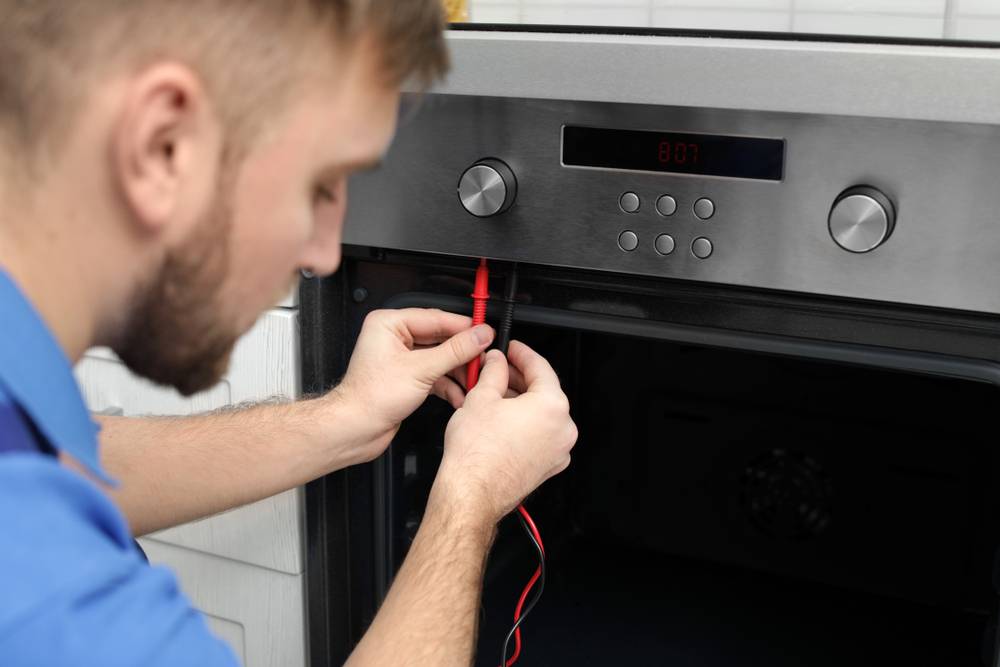
Check the oven door seal
The door seal helps keep heat contained within the oven. If the seal appears loose, damaged or worn, it may need to be repaired or replaced.
Check your oven manufacturer’s instructions or contact a qualified technician if you’re unsure how to replace the seal.
Replace the oven light bulb
A working oven light allows you to check your food without repeatedly opening the door. Since opening the door allows heat to escape, using the oven light can help you monitor cooking without unnecessary interruptions.
If the bulb stops working, replace it with the correct type specified by the manufacturer.
Make sensible use of residual heat
Your oven remains hot for a period after it has been switched off. For some dishes, residual heat may continue the cooking process, but you should always follow the recipe rather than switching the oven off early as a general rule.
Regular oven cleaning
Regular cleaning helps prevent grease, food residue and burnt-on spills from accumulating inside the oven. Keeping the oven clean also makes it easier to inspect and maintain.
The most important thing is to use a cleaning method and product that is suitable for your particular oven.
Wipe the oven after use:
You don’t necessarily need to deep clean your oven after every meal. Instead, wipe up spills and food residue once the oven has cooled sufficiently and it is safe to do so.
For everyday cleaning, use a suitable cloth and cleaning product according to the oven manufacturer’s instructions. Avoid spraying cleaning products directly onto heating elements, electrical components or other areas where the manufacturer advises against applying liquid.
Cleaning spills before they become heavily baked onto the oven surface can make deeper cleaning much easier.
Deep clean the oven monthly:
How often your oven needs a deep clean depends on how frequently you use it and how much grease and food residue accumulates.
If you cook regularly, inspect the oven periodically and arrange a deeper clean when there is noticeable grease, burnt-on food or significant build-up.
Always follow the manufacturer’s cleaning instructions, particularly if your oven has a self-cleaning function or special interior coating.
Frequently asked questions
We answer many questions related to the efficiency of kitchen appliances and how to take good care of the oven after proper deep cleaning. Here are a few of the most frequently answered questions by our oven cleaning Technicians:
Q: What oven cleaner is best to use for cleaning my oven?
A: The best cleaning product depends on your oven and its manufacturer’s instructions. Check the care and cleaning recommendations supplied with your appliance before using any commercial or homemade cleaning product. For some ovens, you can use a wet dishwasher tablet to scrub the interior surfaces of the oven. Avoid using abrasive products or unsuitable chemicals that could damage the oven’s surfaces.
Q: How often should I clean my oven for optimal efficiency?
A: There is no single cleaning schedule that suits every oven. Your cleaning frequency should depend on how often you cook and how much grease and food residue builds up. Wipe up spills when needed and arrange a deeper clean when noticeable build-up develops.
Q: Does the positioning of the oven racks affect cooking results?
A: Yes. Rack position can affect how heat reaches your food, particularly when baking or cooking multiple dishes. Follow the recipe and your oven manufacturer’s recommendations for the appropriate rack position.
Q: Do I have to preheat the oven?
A: It depends on the recipe and the type of food you’re preparing. Many recipes require a preheated oven so the food begins cooking at the intended temperature. Follow the recipe and your oven manufacturer’s instructions.
Q: What type of bakeware is best for oven efficiency?
A: There isn’t one bakeware material that is best for every dish. Consider the material, colour, size and design of the bakeware as well as the type of food you’re preparing. Always follow the recipe’s recommendations where provided.
Q: Should I replace the oven seal if it’s become loose?
A: If the oven door seal is loose, damaged or worn, it should be inspected and replaced if necessary. Check the manufacturer’s instructions or have the appliance assessed by a qualified technician.
Ready for a flawless cooking experience?
Regular care and maintenance can help keep your oven clean, functional and ready for your next meal. Wiping up spills when needed and arranging a deeper clean when grease and food residue build up can make oven maintenance much easier.
Need expert assistance?
Don’t let accumulated grease and grime make oven cleaning a bigger job than it needs to be. If your oven needs a thorough clean, call us today to arrange professional oven cleaning.