Moving out of a rental property involves more than packing your belongings. Before you hand back the keys, you need to leave the property in the condition required under your tenancy agreement, allowing for fair wear and tear.
For many Sydney tenants, end-of-lease cleaning is one of the final and most time-consuming parts of the moving process. Kitchens, bathrooms, floors, windows, fixtures and other areas all need attention, and the work can become more demanding when the property has been lived in for several years.
This end of lease cleaning guide explains how lease cleaning works, what areas typically need attention, what to consider before you start, and when hiring a professional cleaner may make sense. It also explains the difference between routine cleaning and the more detailed cleaning generally associated with moving out.
If you want a task-by-task room-by-room list, use our bond cleaning checklist for tenants instead. This guide is designed to give you the bigger picture so you can plan your move-out cleaning with fewer surprises.
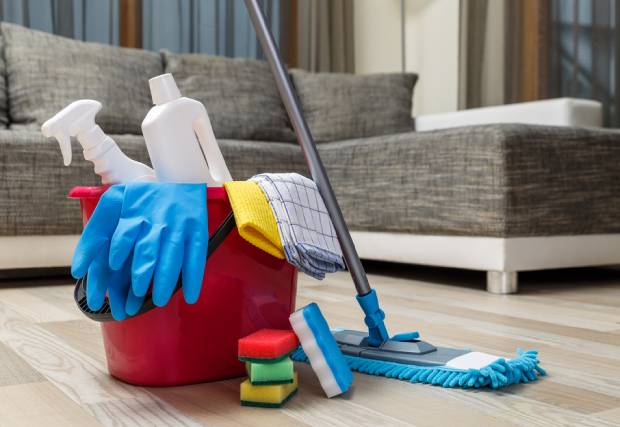
All about the end of lease cleaning
End-of-lease cleaning is the detailed cleaning carried out before a rental property is handed back to the landlord or property manager. The aim is to leave the home clean and well-presented while meeting the cleaning responsibilities that apply under the tenancy agreement.
Unlike regular domestic cleaning, an end-of-lease clean usually involves more attention to areas that are easy to overlook during day-to-day housekeeping. This can include inside cupboards, appliances, skirting boards, bathroom fixtures, accumulated dust, cobwebs and other less frequently cleaned areas.
The condition you need to achieve will depend on the property’s condition, your tenancy agreement and the requirements that apply to your tenancy. Normal wear and tear should also be distinguished from damage or excessive dirt caused during the tenancy.
For that reason, end-of-lease cleaning should be approached as a planned move-out task rather than simply giving the property a quick clean on the final day.
Cleaning, damage and fair wear and tear
One of the most important things to understand before moving out is that cleaning and property damage are not the same issue.
Cleaning deals with dirt, dust, grease, soap residue, cobwebs, built-up grime and other conditions that can generally be addressed through cleaning.
Damage is different. Broken fixtures, damaged walls, cracked tiles or other issues caused during a tenancy may need to be addressed separately from cleaning.
You should also consider fair wear and tear when assessing the property’s condition. Not every mark or change that develops during a tenancy can reasonably be treated as a cleaning issue.
Before arranging your final clean, review your tenancy agreement and compare the property’s current condition with any entry condition report or other records you have from the beginning of the tenancy.
What to do before your end-of-lease clean
Before cleaning begins, take a few minutes to organise the move-out process.
Start by reviewing your tenancy agreement and any entry condition report so you understand the condition of the property and any specific requirements that apply to your tenancy. Remove your furniture and personal belongings before the final clean wherever possible, as an empty property is easier to clean thoroughly.
It’s also worth checking for maintenance issues or damage that need to be dealt with separately from cleaning. Cleaning cannot resolve a broken fixture, damaged surface or other repair issue.
If you are preparing for a routine rental inspection rather than moving out, our Rental Inspection Checklist is the more relevant resource. It covers property preparation, presentation and maintenance checks before an inspection.
Why end-of-lease cleaning takes more work
A regular weekly clean is designed to keep a home under control. An end-of-lease clean is different because the property is being prepared for handover.
That often means cleaning areas that are not part of a normal weekly routine, such as the inside of cupboards, appliance surfaces, skirting boards, bathroom build-up, cobwebs and less frequently cleaned fixtures.
The amount of work also depends on the size of the property, how long it has been occupied, the number of residents, whether pets have lived there and the property’s overall condition.
For some tenants, working through the cleaning themselves is practical. Others may prefer to use a professional service because they have limited time between moving out and returning the keys.
The right option depends on the property’s condition, the time available and how much of the cleaning you are comfortable handling yourself.
What areas usually need attention?
Although the exact requirements vary according to the property and tenancy, an end-of-lease clean commonly covers the main living areas, kitchen, bathrooms, laundry and relevant outdoor areas.
The kitchen may require attention to cooking appliances, cupboards, benchtops, splashbacks, sinks and floors. Bathrooms generally require detailed cleaning of toilets, showers, baths, vanities, mirrors and other fixtures.
Bedrooms and living areas commonly require dusting, vacuuming, mopping, cobweb removal and cleaning of accessible surfaces. Depending on the property, additional attention may be needed for windows, blinds, balconies, garages or other areas included in the tenancy.
Rather than using this guide as a room-by-room tick list, use our Bond Cleaning Checklist for Tenants when you need to work through individual cleaning tasks.
DIY vs. professional cleaning: Making the choice
There is no single approach that suits every tenant. Whether you clean the property yourself or hire a professional cleaning company depends on the size and condition of the home, your available time and the amount of cleaning you are prepared to take on.

When DIY cleaning may make sense
Cleaning yourself can be practical when:
- The property is small.
- You have several days available.
- The property has been well maintained.
- You already have suitable cleaning equipment and supplies.
- You are comfortable handling detailed cleaning tasks.
The main advantage is control over the timing and cost. The trade-off is the amount of time and physical effort required, particularly when the property needs more intensive cleaning.
When professional cleaning may be worth considering
A professional service may be more convenient when:
- You have a short timeframe before handing back the property.
- The rental is large or has multiple bathrooms.
- There is substantial built-up dirt or grime.
- You need help with time-consuming areas.
- You are managing packing, removal and other moving tasks at the same time.
Before booking, check exactly what the service includes and whether you need additional services such as carpet cleaning, exterior windows or other specialised cleaning requirments.
Opting for professional end-of-lease cleaning
If you decide that professional help is the better option, look for a service that clearly explains what is included, what may cost extra and how the booking process works.
Professional cleaning can reduce the amount of work you need to manage during a move, particularly when you are working with a tight handover timeframe or a larger property.
At Paul’s Cleaning Sydney, our end-of-lease cleaning service is designed for tenants and property owners preparing a rental for handover. You can review the service inclusions, pricing information and booking options on the service page before deciding whether professional cleaning is right for you.
What does professional end-of-lease cleaning usually cover?
The exact inclusions depend on the cleaning provider and the property’s condition, so always check the service scope before booking.
Kitchen
Typical cleaning may include the oven, stovetop, rangehood, cupboards, benchtops, splashback, sink and floor. Some providers may also offer additional appliance cleaning.
Bathrooms
Cleaning commonly covers toilets, showers, shower screens, baths, vanities, mirrors and accessible surfaces. Build-up such as soap residue or scale may require additional attention depending on the condition.
Bedrooms and living areas
These areas generally receive dusting and surface cleaning, cobweb removal, vacuuming and mopping. Skirting boards, mirrors and accessible windows may also be included depending on the service.
Laundry
Typical tasks include cleaning the laundry sink, taps, surrounding surfaces and accessible appliance exteriors.
Outdoor areas
Where included, balconies, verandas and other accessible outdoor areas may be swept or cleaned. More specialised exterior cleaning may need to be booked separately.
Additional services you may need
Not every property requires the same level of cleaning. Some tasks depend on the property’s condition, the features of the home and the requirements that apply to your tenancy.
Additional services may include:
- Carpet cleaning – particularly where carpets require more intensive cleaning than standard vacuuming.
- Exterior window cleaning – where external glass is accessible and needs to be cleaned.
- Blind cleaning – where blinds require more than routine dusting.
- Detailed appliance cleaning – where an appliance needs more intensive cleaning.
- Wall cleaning – where marks or build-up require more than basic spot cleaning.
- Pest treatment – where this is required or appropriate based on the tenancy and circumstances.
- Gardening or outdoor cleaning – where outdoor areas form part of the property’s required condition.
Before booking additional services, check your tenancy agreement and the property’s condition so you can distinguish between tasks that actually need to be completed and services that may simply be optional.
What happens after the cleaning?
Once the cleaning is complete, inspect the property yourself before handing back the keys.
Walk through each room and compare the condition with your entry condition report and the requirements that apply to your tenancy. Check areas that are easy to overlook, such as inside cupboards, behind doors, skirting boards, bathroom fixtures and kitchen appliances.
If a property manager or landlord identifies cleaning issues during the handover process, the next steps will depend on the circumstances and the tenancy arrangements.
Doing your own final walkthrough gives you an opportunity to identify obvious cleaning issues before the property is formally handed back.
Plan your end-of-lease clean with confidence
End of lease cleaning is easier to manage when you treat it as part of the moving process rather than leaving everything until the final day.
Start by checking your tenancy requirements, removing your belongings, identifying any maintenance or damage issues and deciding whether you have enough time to complete the cleaning yourself.
If you prefer to work through the property task by task, use our Bond Cleaning Checklist for Tenants.
If you’re preparing for a routine property inspection rather than moving out, our Rental Inspection Checklist will be more useful.
And if you would rather have a professional team handle the cleaning, you can learn more about our end of lease cleaning service, including what’s included and how to arrange a booking.